
Mental Exercise for Working Breed Dogs: Why Mental Stimulation Is Essential in Dog Training
- Noelle Farr
- Mar 25
- 2 min read

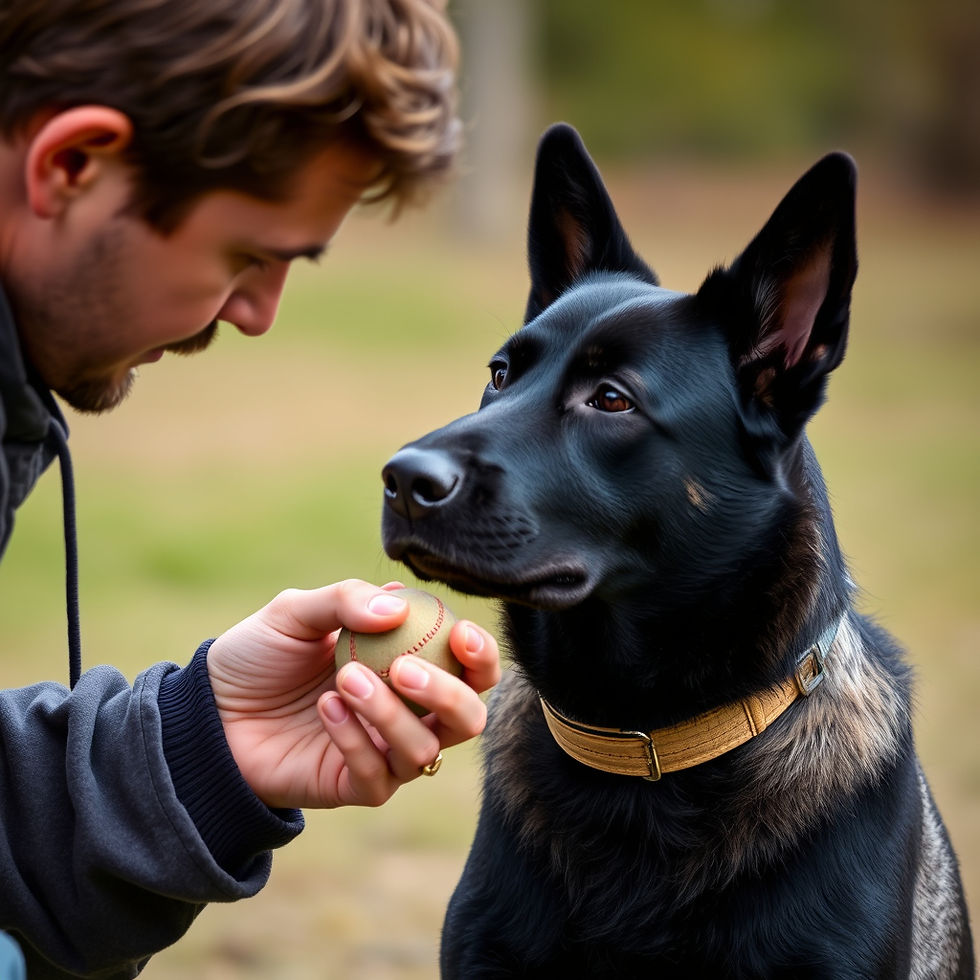
Many behavior issues that owners encounter during dog training are not simply the result of too little physical exercise. In many cases, the missing ingredient is mental stimulation and structured work. This is especially true for working breed dogs such as:
Belgian Malinois
German Shepherds
Rottweilers
Jack Russell Terriers
These dogs were selectively bred for generations to solve problems, perform tasks, and work alongside humans. When those instincts do not have an outlet, the result is often frustration, restlessness, or destructive behavior.
In our San Diego dog training programs, we frequently see high-drive working dogs who receive plenty of physical exercise but still struggle with focus or impulse control. Once mental outlets are introduced, their behavior improves dramatically.
Why Mental Exercise Tires Dogs More Effectively
Mental work activates different parts of a dog’s brain than physical exercise alone.
Activities like obedience training, scent work, tracking, and problem-solving games trigger dopamine release, creating a strong sense of reward when the dog completes a task successfully. This type of engagement helps dogs:
regulate their energy
improve focus during training
build problem-solving confidence
reduce frustration-driven behaviors
For many high-drive working breeds like Belgian Malinois or German Shepherds, 10–15 minutes of focused mental work can be more fulfilling and satisfying than an hour of unstructured exercise.
Productive Mental Outlets for Working Dogs
Different dogs respond best to different forms of mental engagement.
Some effective activities include:
Obedience and advanced dog training
heel work
impulse control exercises
distance commands
Scent work
tracking exercises
hidden object searches
scent detection games
Structured play
controlled tug sessions
retrieve exercises with impulse control
directional play games
For example, a Belgian Malinois or German Shepherd often thrives when obedience training is paired with structured play rewards like tug or ball work.
A Jack Russell Terrier, with its strong hunting instincts, may excel in scent work or search games.
Feel free to check out some of our training courses on the "video courses" section of the alignedk9.com website.
Teaching First, Then Clarifying Expectations
In professional dog training, the goal is always to teach the dog what behavior is expected first. Once the dog clearly understands the behavior, expectations gradually increase through:
duration
distance
distractions
During this process, rewards remain important, but clear boundaries may also be necessary if the dog begins ignoring known commands.
This might include:
leash guidance
spatial pressure
training tools when appropriate
These tools are not the focus of training, but they can help clarify expectations once the dog understands the task. The goal is always clear communication, not intimidation.
Balanced Daily Routines for Working Dogs
A well-balanced routine often includes:
Physical exercise
structured walks
hiking trails around San Diego
controlled play sessions
Mental engagement
obedience drills
scent games
search tasks
Calm downtime
place training
structured relaxation
When working breed dogs receive the right balance of mental and physical outlets, behavior problems often decrease dramatically. They become calmer, more focused, and far easier and more fun to live with.


Comments